

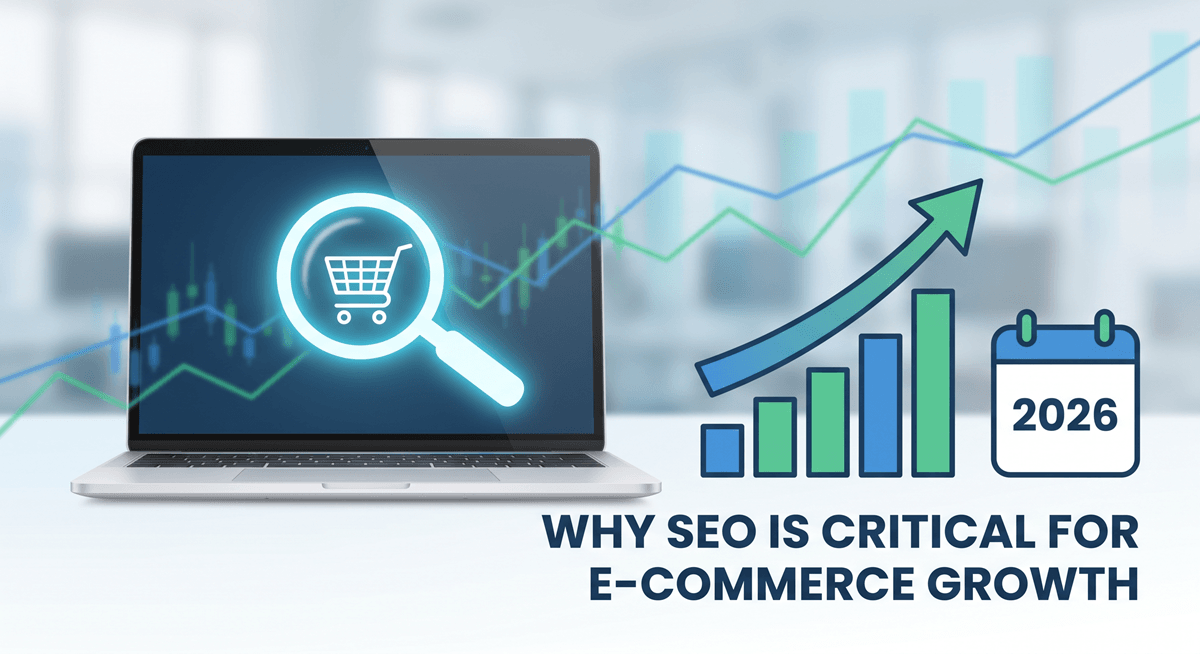
Why SEO is Critical for E-Commerce Growth in 2026
Introduction
The world of e-commerce is continually evolving, with businesses vying for attention in a crowded digital marketplace. As we propel towards 2026, understanding the critical role of Search Engine Optimization (SEO) in catalyzing growth can set a business apart. This article delves into common misconceptions about SEO, uncovers the reality behind these myths, and highlights actionable strategies for leveraging SEO effectively.
Summary
SEO’s importance in e-commerce growth cannot be overstated, particularly as we approach 2026. Common myths suggest that SEO is either obsolete or too unpredictable, but facts prove otherwise. Studies indicate that effective SEO strategies can increase web traffic by 75% and boost conversion rates significantly. With the proliferation of online stores, optimizing SEO will be essential for visibility and competitiveness. This guide debunks myths, provides expert insights, and offers actionable advice for businesses aiming to thrive in the digital economy.
1. The Common Myth (What people get wrong)
Despite its documented benefits, many e-commerce professionals harbor misconceptions about SEO. Three prevalent myths include:
- SEO is Dead: Some believe that the changing algorithms of search engines have rendered SEO irrelevant.
- SEO is Too Complex: Many see SEO as an overly technical field, inaccessible to those without specific expertise.
- Paid Ads are More Effective: There is a belief that investment in paid advertising yields faster and more reliable results than SEO.
These misconceptions prevent businesses from fully tapping into the potential of SEO.
2. Why They Are Wrong (Fact-based deconstruction)
Each of these myths stems from misunderstandings or simplifications:
-
SEO is Dead: On the contrary, SEO evolves. Google, which dominates over 92% of the search engine market share [StatCounter], continuously updates its algorithm to reward quality content and user-friendly experiences. SEO remains a vital part of visibility strategies as organic search drives 53% of website traffic [BrightEdge].
-
SEO is Too Complex: While SEO does contain technical elements, many aspects are straightforward and accessible. Tools like Yoast, SEMrush, and Moz simplify SEO management by providing step-by-step guidance.
-
Paid Ads are More Effective: While useful, paid ads can be costly and offer short-term value. Research shows organic search generates more than double the revenue per visit compared to paid search on average [Jumpshot via Sparktoro]. Moreover, 70-80% of users completely disregard paid ads [Search Engine Land].
3. The Real Truth (Unique perspective)
The Evolving Nature of SEO in 2026
SEO is more important than ever and continues to be a dynamic field. The focus on user experience, mobile-first indexing, and voice search optimization are setting new benchmarks. Here’s why it matters:
-
User Experience: Google now factors in metrics like site speed, mobile-friendliness, and content relevance. An easy-to-navigate site ensures better engagement, driving higher rankings.
-
Mobile-first Indexing: With 61% of Google searches now conducted on mobile devices [Statista], Google’s mobile-first indexing can significantly impact SEO. Ensuring all aspects of your site are mobile-optimized is no longer optional but essential.
-
Voice Search: By 2026, it’s expected that over 75% of households will have a smart speaker [Voicebot.ai]. Tailoring SEO strategies to accommodate natural language search queries will become essential.
What This Means for You (Actionable advice)
For e-commerce businesses looking to scale and remain competitive:
-
Content Optimization: Create engaging, valuable content with targeted keywords relevant to your niche. Consistently update your content to maintain relevance.
-
Technical SEO: Utilize tools to audit your site’s health. Fix broken links, improve loading speeds, and ensure your site is mobile-friendly.
-
Leverage AI and Automation: Tools that utilize AI can analyze vasts amount of data to refine keyword strategies or enhance personalization in customer interactions.
-
Local SEO: For businesses with a physical presence, optimizing for local search results is crucial. Ensure listings on Google My Business and other local directories are accurate and complete.
-
Diversify SEO Efforts: Balance short-term paid campaigns with long-term SEO strategies to maximize both immediate and lasting impacts on traffic.
Frequently Asked Questions
Q1: Is SEO still effective for small businesses?
Yes, SEO can level the playing field, allowing small businesses to compete with larger brands by reaching targeted audiences more cost-effectively.
Q2: How often should I update my SEO strategies?
Regular updates and reviews are important. Aim to reassess your SEO strategy every 6 to 12 months to keep pace with algorithm changes and market dynamics.
Q3: Can social media impact my SEO?
While social media directly doesn’t affect SEO rankings, it can increase content visibility and drive traffic to your site, indirectly influencing SEO performance.
Q4: What’s the role of AI in future SEO?
AI optimizes content delivery, personalizes user experiences, and refines keyword strategies by analyzing user intent and behavior more effectively.
Q5: How can I measure SEO success?
Key performance indicators like organic traffic growth, conversion rates, and search ranking positions help evaluate your SEO efforts.
How we verified this information
Last updated October 2023. For this article, we consulted authoritative sources including StatCounter, BrightEdge, Search Engine Land, and Voicebot.ai, among others. Data and reports were reviewed for accuracy and relevance to future projections in e-commerce and SEO trends.


Parašykite komentarą